Artificial Intelligence (AI) has rapidly become one of the most transformative forces in digital marketing. What once seemed like futuristic technology is now a practical, everyday tool that businesses of all sizes use to connect with customers, analyze behavior, and optimize campaigns. From personalized product recommendations to automated chatbots, AI is reshaping how brands communicate in the digital world. However, while AI offers remarkable opportunities, it also introduces risks and challenges that marketers must navigate carefully. The true future of digital marketing lies not in replacing human creativity, but in combining AI efficiency with human insight.
One of the most significant advantages of AI in digital marketing is automation. Traditional marketing processes often required hours of manual effort, including data analysis, customer segmentation, ad placement, and performance tracking. AI can now automate these tasks with speed and precision. For example, AI-powered platforms can analyze user behavior in real time, determine which customers are most likely to purchase, and automatically serve relevant advertisements to them. This level of automation saves businesses time, reduces costs, and improves campaign effectiveness.
Personalization is another area where AI excels. Modern consumers expect brands to understand their preferences, interests, and needs. AI makes this possible by collecting and analyzing large volumes of consumer data. Platforms like eCommerce websites use AI to recommend products based on previous browsing or purchase history. Streaming services suggest personalized content. Email campaigns can now be customized for individual users, increasing engagement rates. Personalized experiences make customers feel valued, which strengthens brand loyalty and boosts conversions.
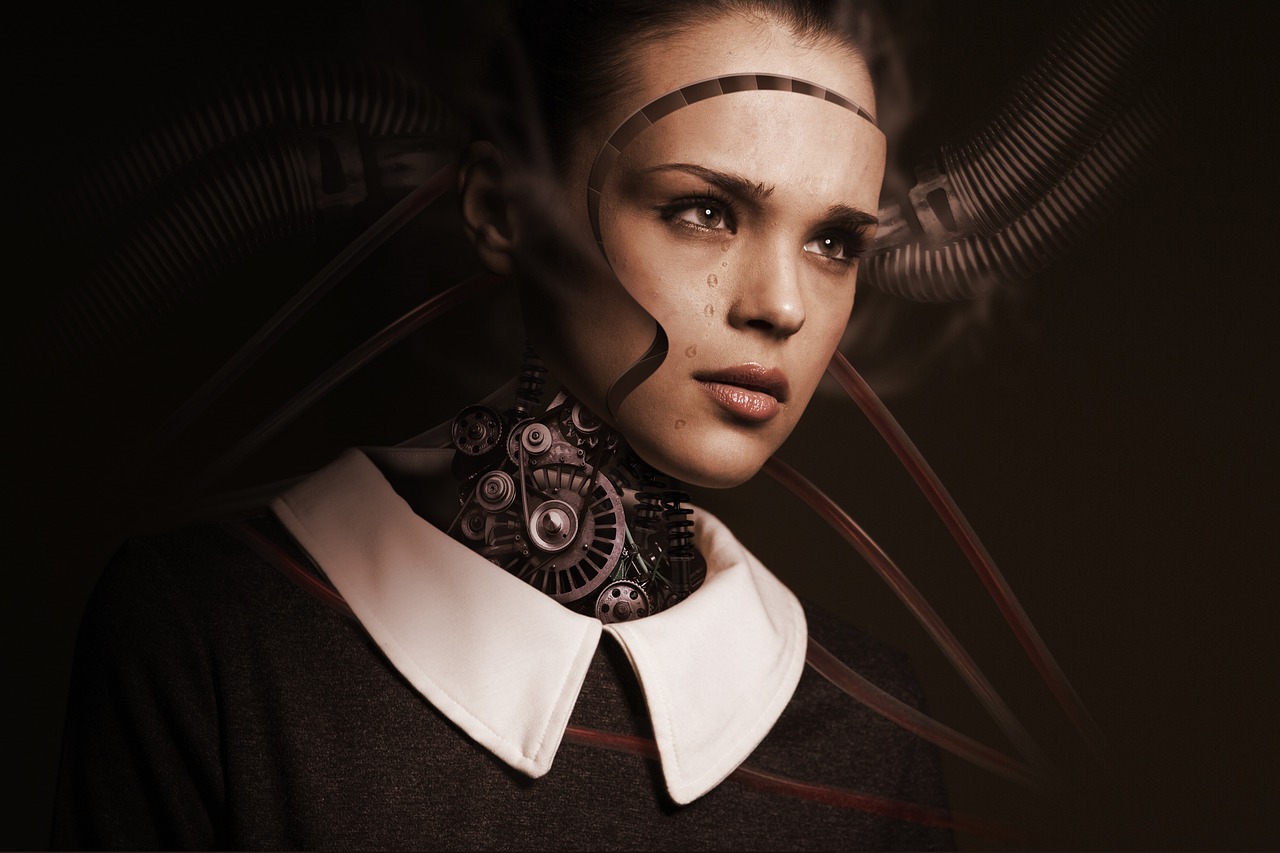
AI also plays a major role in content creation. Tools powered by machine learning can generate blog drafts, social media captions, product descriptions, and ad copy in seconds. This capability allows marketers to scale content production faster than ever before. AI can also assist in SEO by identifying keyword opportunities, optimizing content structure, and analyzing competitors. In many ways, AI has become a strategic assistant for marketers, helping them make data-driven decisions.
Chatbots are another revolutionary application of AI. Businesses now use AI-powered virtual assistants to provide 24/7 customer support, answer questions instantly, and guide customers through the sales funnel. This improves customer satisfaction while reducing the burden on human support teams. Chatbots can handle thousands of interactions simultaneously, making them highly efficient for businesses with large audiences.
Predictive analytics is perhaps one of AI’s most powerful capabilities. By examining historical data and consumer patterns, AI can forecast future trends and customer behaviors. Marketers can use this insight to predict which products will perform well, which customers are at risk of leaving, and what type of content will generate the best response. Predictive analytics allows brands to stay ahead of market changes and make proactive decisions rather than reactive ones.

Despite these opportunities, AI in digital marketing also presents risks. One of the biggest concerns is over-automation. While AI can create content and manage campaigns, relying too heavily on it can make marketing feel robotic and impersonal. Consumers still crave authenticity, emotional connection, and human storytelling. AI-generated content can sometimes lack originality, empathy, or nuanced understanding. If brands depend entirely on AI, they risk losing the emotional element that builds strong customer relationships.
Data privacy is another major challenge. AI systems rely heavily on consumer data, which raises concerns about how information is collected, stored, and used. As privacy regulations become stricter, businesses must ensure they use AI ethically and transparently. Mishandling customer data can damage trust and lead to legal consequences.
Bias in AI algorithms is also a growing issue. AI systems are only as good as the data they are trained on. If the data contains biases, AI can unintentionally reinforce them. This can affect ad targeting, hiring campaigns, or customer interactions in ways that may be unfair or discriminatory. Marketers must regularly monitor AI systems to ensure ethical outcomes.
Another challenge is the fear that AI may replace human marketers. While AI can automate repetitive tasks, it cannot fully replicate human creativity, strategic thinking, or emotional intelligence. Marketing is not just about efficiency—it is about storytelling, innovation, and understanding cultural context. A successful campaign often requires intuition, humor, empathy, and creative risk-taking, all of which remain uniquely human strengths.
The most effective future for digital marketing is a hybrid model where AI and human creativity work together. AI can handle data analysis, automation, and optimization, while humans focus on brand voice, emotional storytelling, and strategic vision. For example, AI may identify trending topics or audience preferences, but human marketers can transform that data into meaningful campaigns that resonate deeply with people.
Brands that embrace AI thoughtfully will gain a competitive advantage. They can use AI to streamline operations while preserving authenticity through human oversight. Businesses should view AI not as a replacement, but as a powerful tool that enhances human potential.
In the coming years, AI will likely become even more integrated into voice search, augmented reality, influencer marketing, and customer journey mapping. Marketers who continuously adapt, learn, and balance technology with creativity will thrive in this new era.

Ultimately, the rise of AI in digital marketing represents both opportunity and responsibility. It offers businesses unprecedented efficiency, precision, and scalability. But true success will come from using AI ethically, strategically, and creatively. The brands that win will not be those that simply automate the fastest—they will be the ones that combine machine intelligence with human imagination to create experiences people genuinely value.
AI is changing digital marketing forever, but human creativity remains the heart of meaningful connection. In a world driven by algorithms, the brands that remember the power of human emotion will stand out the most.